How to Design Engaging Game Mechanics for Esports
If you have ever watched a professional esports tournament, you have probably seen players pulling off what seemed impossible moves. The reality is, such crazy plays stem from well-honed game mechanics that contribute to a fantastic esport title. But what are those mechanics, exactly? And what makes certain games stand out why others are left in the dust? Let us delve deeper into the evolution of game mechanics that have encapsulated the esport landscape and the recipe for a great esport title.
Game Mechanics: The Backbone of Esports
Game mechanics are rules, systems, physics that dictate how a game operates. (The mechanics in esports must be intuitive and complex simultaneously.) Why? Because a game has to be simple enough for newcomers to understand, and nuanced enough to keep the pros coming back. It’s sort of like building the perfect sandwich — you need the right ingredients but if you make it too complicated, nobody’s going to want to eat it.’
League of Legends is a prime example of finding that balance. The game’s mechanics let newcomers hop in and have a good time, while providing endless layers of complexity.” The game design has to find this fine balancing act, or players will feel lost — or worse, frustrated.
Skill-Based Gameplay: The Heart of Esports
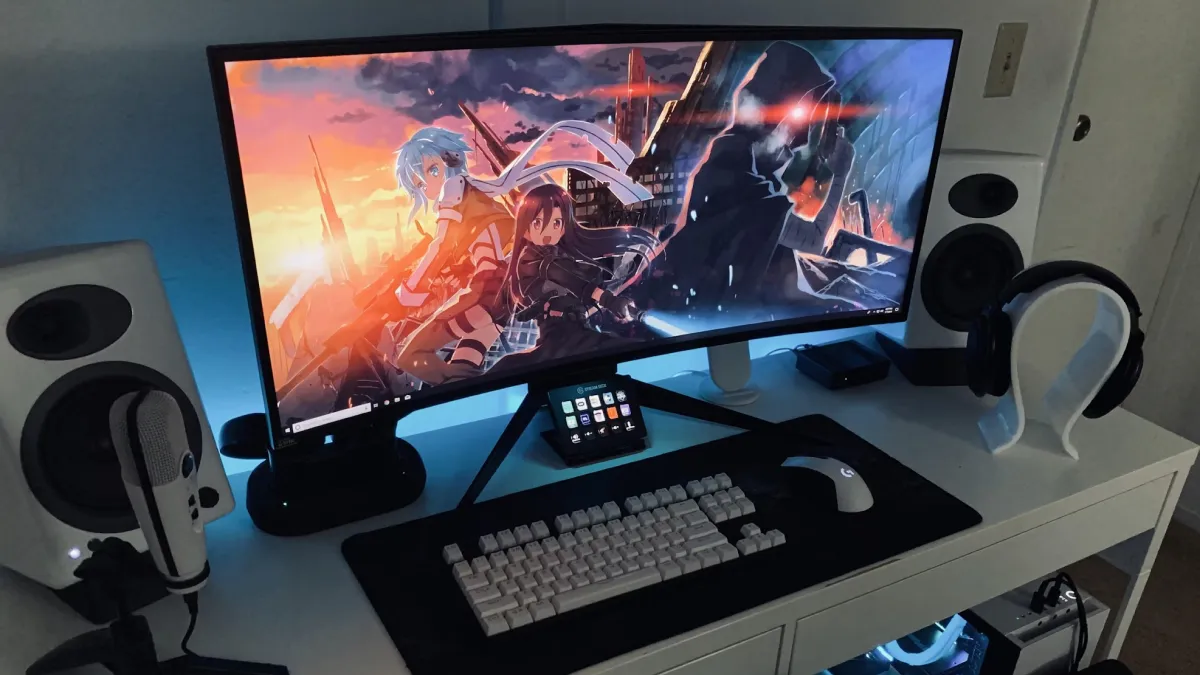
Esports is about competitive integrity. Many games, of course, include some element of chance (looking at you, Monopoly), but esports runs on skill-based gameplay. The top esports games incentivize players for their understanding, tactics, and reaction times. Games like Dota 2 and Counter-Strike: Global Offensive are fatally dependent on player skill, where every single action counts.
In some games like Valorant, even the slightest misfire can alter the outcome of a whole game. These games are based on luck, they are based on who is making the right decision. And that’s what makes them so exciting to watch — and to play!
Mechanics and Spectator Engagement: A Winning Combo
Now, the fun part about esports isn’t only the playing of the games, but also the viewing of them. The best games are the ones that create fantastic spectator experiences. Rocket League is an example of a game that has perfected this with quick, exhilarating, and easy-to-follow action. With crisp visuals and simple objectives (put the ball in the net!), it’s ideal for neophytes or hard-core devotees.
Spectator-friendly mechanics are a bedrock of any esport’s design. If viewers can’t keep up with the action, or if the game seems to devolve into a muddle, they’re going to flip the channel sooner than you can say “Best of three!”
Related
Adapting to the Times: Game Mechanics and Esports Trends
With the growth of the esports industry, game mechanics beget. Game designers regularly fine-tune their mechanics to fit within the esports market trends. If you look at the success of Fortnite, you’ll see how it’s constantly transforming play and the addition of new features (most notably its battle royale mode) have kept that game alive and relevant.
In the growing world of esports sponsorship deals and investment news, your game had better have the ability to adjust to players’ and viewers’ needs. Esports teams and brands want to support games with the potential for growth and evolution over the course of the market. A game that doesn’t grow might become as obsolete as that friend who still has a flip phone.
Community and Competitive Balance: The Secret Sauce
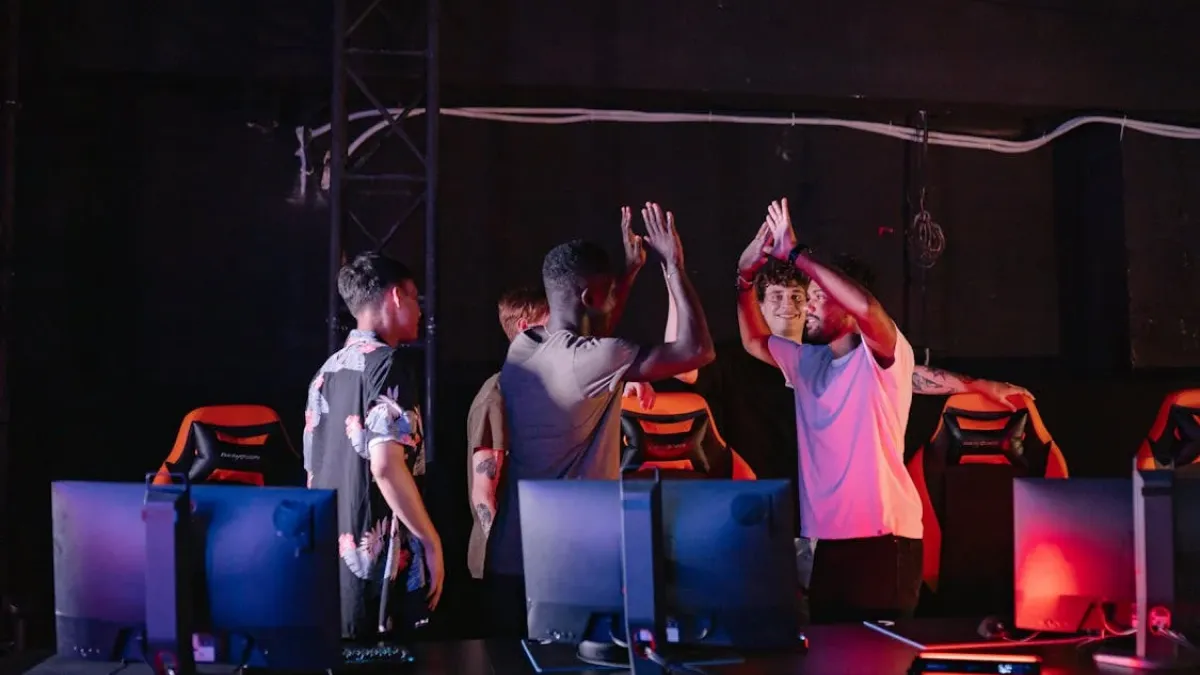
Community — One of the largest aspects of any esport A great esport title is about not just the mechanics of gameplay, it’s about a living and breathing player base as well. Games that encourage community involvement — with frequent updates, team news and communication features — develop loyalty that can span generations.
Take Overwatch as a case study. The competitive balance is squared by the constant interaction of Blizzard with the community, listening to feedback and delivering either new heroes or balance patches. This makes sure that a casual entry-level player and a top-class player both feel content. And if players believe the game is getting adjusted for how they’re playing it, they’ll stick around—and they might even start making fan content (hello, memes!).
The Future of Esports Game Design
With esports industry development showing no sign of slowing down, the future of game mechanics can only be bright. It’s turning into an era of tech innovations altering the way we play and broadcast games. Bigger and better spectator experiences, virtual reality and improved AI applications are making esports more immersive than ever before.
Actually, it’s not merely to keep things competitive, it’s to make esports an experience. As gaming evolves into a more immersive and interactive experience, there will be increasingly more overlap between the traditional gaming and live events. This should leave the team, and fans, on the edge of their seats always, and developers are actively exploring ways to make it happen.
Conclusion: The Art of Crafting a Great Esport Title
At the end of the day, the difference between a good esport title and a great one isn’t just about flashy graphics or a cool premise. It is solid mechanics that balances accessibility and depth. It is about crafting an experience that is not just fun to play, but thrilling to watch. And most importantly, it is about creating a community that you feel connected to, that you feel you matter to, and that you have a voice.
So, the next time you’re watching an esports event, consider for a moment the design work that made it all possible, the tactical decision-making that guides the players to victory. Because behind every great play there’s a great set of mechanics doing their thing. Now, if only we could figure out a game in which getting a title involves eating pizza. Wouldn’t that be a game we’d all play, right?
FAQ
-
Game mechanics are the rules, systems, and physics that dictate how a game operates. They must balance simplicity for newcomers with complexity to keep experienced players engaged.