How to Organize an Esports Tournament Successfully
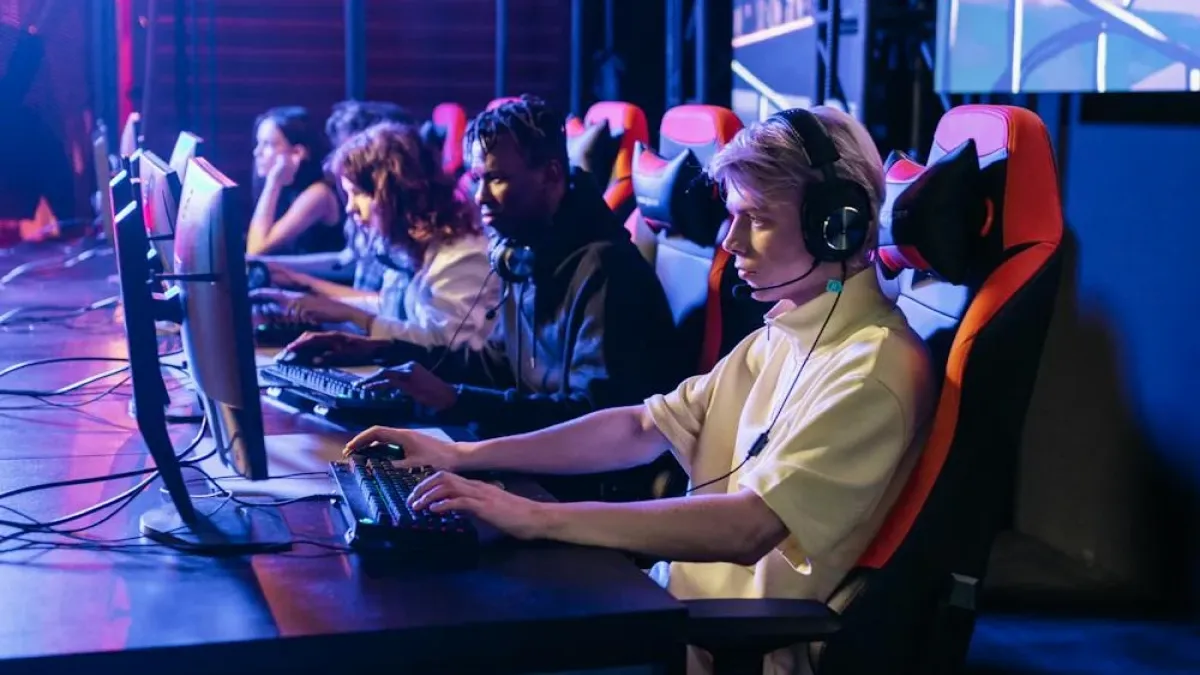
So how are you to put on an esports tournament? It’s not as easy as picking a date, sending out invites, and hoping the internet gods are smiling down on you. Nope—it’s a combination of brilliant creativity, delicious chaos, and caffeine-fueled planning sessions. How esports operates behind the scenes — from selecting the right game titles to making sure the esports streaming goes off without a hitch.
Step 1: Choosing the Right Ingredients for the Recipe
The first question is always: What’s for dinner? Or, in this case, which games will attract a crowd. So, whether it’s a competitive gaming staple like League of Legends or the latest FPS sensation, the selected games set the tone of the event. Not every esports championship has to feel as draining as a Dota 2 marathon, after all.
Step 2: Securing the Stage
First, the organizers need to lock down the where and how before the players drop in. Esports live events can be held in cavernous arenas filled with flashing lights and cheering spectators or staged virtually on heavily trafficked platforms. When it comes to high-stakes esports tournaments, tech stability is everything — nothing deflates the hype surrounding finals as much as “technical difficulties” being written across the screen.
Step 3: Crafting the Schedule
Then comes the fun of constructing an esports event schedule. Every match requires a slot, whether it is qualifiers or a grand finale. Too tight? You’ll have frazzled players darting between rounds. Too loose? Viewers may wander off part way through a tournament for snacks and never come back. Timing is everything — sort of like not throwing a grenade into your own feet in a video game.
Related
Step 4: Lights, Camera, ACTION!
One word: streaming. From streams of esports tournaments to a Twitch spotlight, reproducing the games that fans worldwide are guaranteed is not open for negotiation. But it’s not all about hitting “Go Live.” Professional broadcasts feature buttery-smooth camera work, insightful commentary and production wizardry. Without that, you are simply live-streaming a potato.’
Step 5: Rewarding the Winners
And last but not least: prizes. On the esports side, the prize pool can vary from epic cash amounts to flashy gaming rigs — or both if the event’s budget allows. The more compelling the stakes, the more likely players will bring their A-game, and audiences will stay for those last-chance moments.
The Human Factor
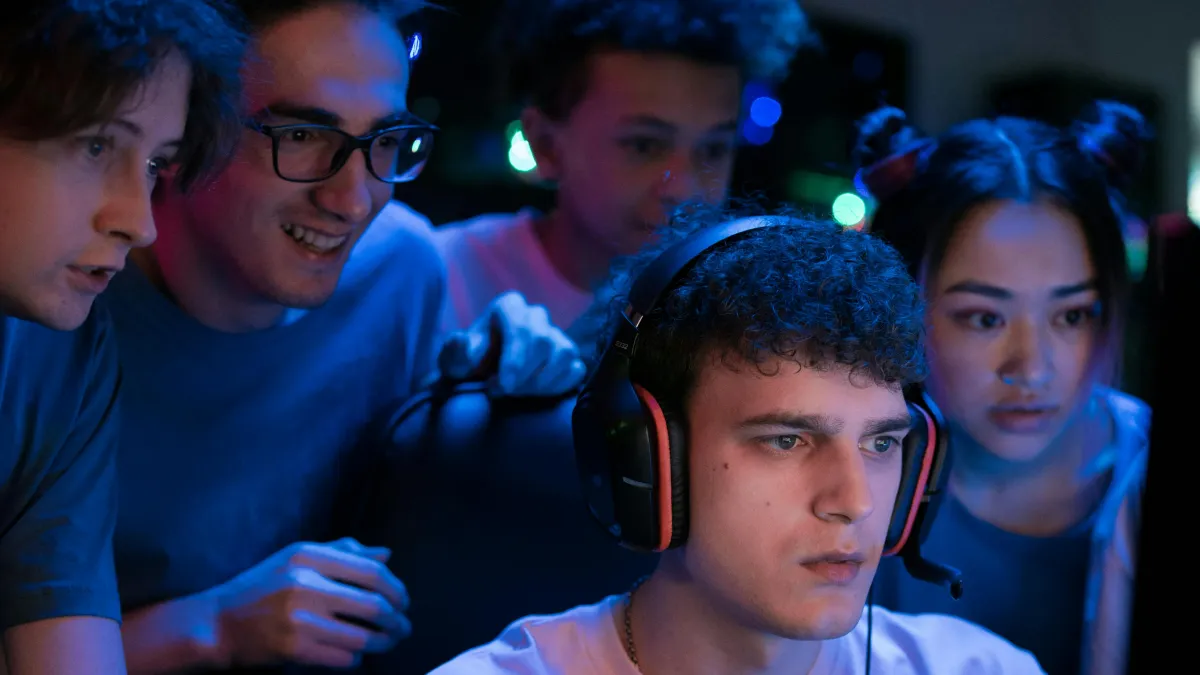
What we tend to forget even more is the army of unsung heroes working quietly in the background. The tournament organizers, tech crews, commentators, even the ticket collectors, play a vital role. They ensure every last lag, glitch and hiccup gets worked out before it can go viral on esports Twitter.
Why It’s All Worth It
Yes, the herding of hyperactive cats that is managing upcoming esports tournaments can seem daunting, but the payoff is massive. There’s something bewitching about the alchemy of a successful event in which fans scream, players show off, and no headsets drop.
So when you next watch a gripping esports world championship, pay tribute in your head to the folks behind it. They’re the real MVPs — outside of that dude who went completely nutso based on a 1v5 clutch in OT.
Game on, organizers. Game on. 🎮