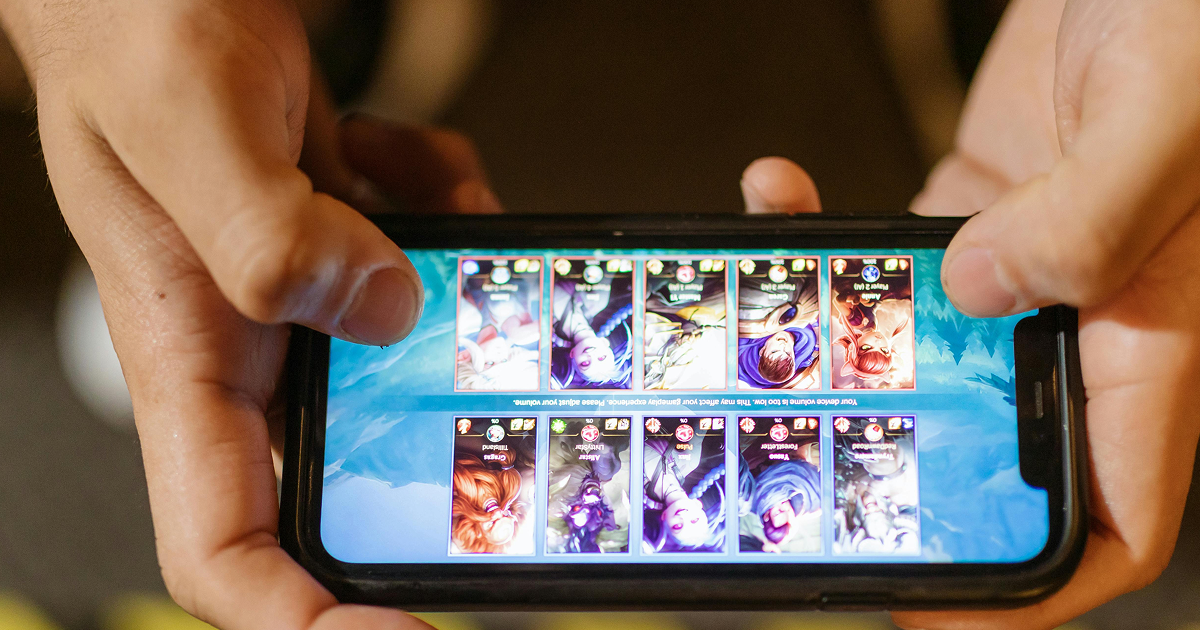
Mobile Game Development: Behind the Scenes
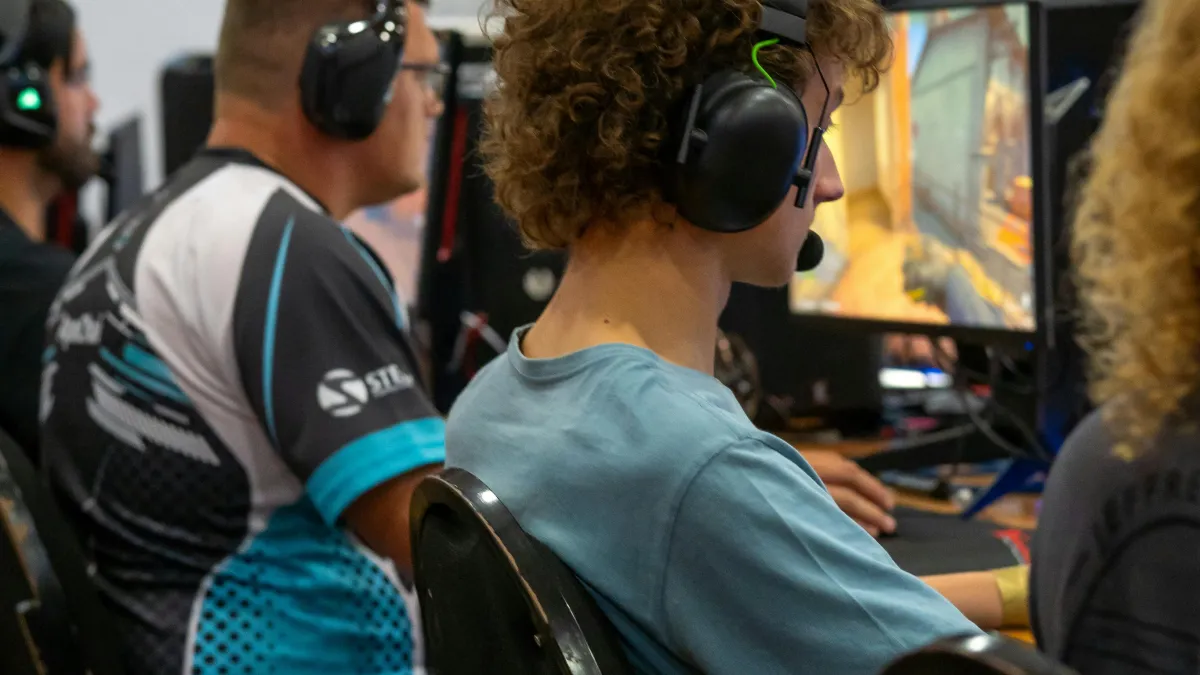
Ever wondered what happens behind the scenes on the greatest mobile games you play? So how do those clever ideas become games you can’t stop playing? Well then, let’s open the curtains and take a look behind the scenes at how a mobile game is really made.
The Idea: Where It All Starts
It all starts with an idea, doesn’t it? But, let’s be real—most of those ideas are jotted down on a cocktail napkin or delirious thoughts at 3 AM. Becoming a top mobile games developer for Android/iOS is not something that can be done on a whim. It involves hours of brainstorming, sketching diagrams on white boards, and possibly some caffeine (or a lot).
When that lightbulb goes off, the team gets to work. They consider the trends in mobile gaming, what’s hot, what’s not and if players are going to care. Making a game is not just about making a game, it’s about making an experience.
Prototyping: Poking the Waters
Next up, the prototype phase. It’d be like trying to bake a cake without a recipe. So when developers first start tinkering they feel like dot to dot art. Trial and error is the name of the game. Perhaps they hit it out of the park in one go, or maybe they just need mobile game passes every five minutes (not to worry, they won’t relent).
The advice on developing mobile games here? Test, tweak, and repeat. Developers often begin with a simple gameplay loop—the root mechanic of the game. If the core mechanics work well, the rest will follow. If they are not … Well, it’s back to the drawing board. Cue the dramatic music.
Related
Design: The Devil’s in the Details
Once the prototype (kind of) fits, it’s time to design. This is where things get interesting. The look and feel of the game is created by designers. 2024 mobile games are about the looks, baby. To characters to backgrounds, everything needs to look rad.
But here’s the amusing part: you’d be surprised how attached designers become to the little minutiae. A flawless animation, a micro interaction—like a shadow that flickers, or a door that opens with a specific sound effect—if you can make it into a special sort of animation, it matters. It’s those little touches that make a game feel polished and make you want to show it off to your friends.
What makes it work: the codeBehind the development
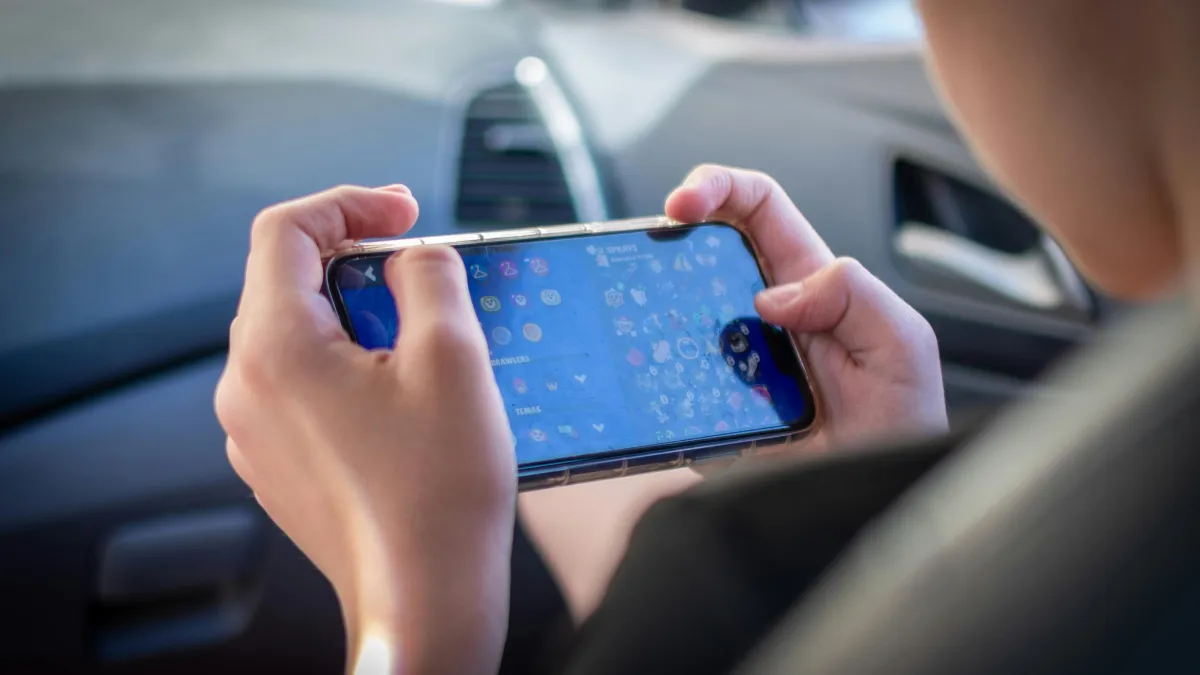
Let’s talk coding—the part where the magic happens. This is where the devs will actually put the game into a playable state. This is where the mobile game features are created, from the core game mechanics to multiplayer modes.
All developers face a mobile game patch and endless updates. Bugs? You bet there are bugs. (And yes, some of them may make you want to hurl your phone out the window. Sorry about that.) But that’s the life of a game dev, you solve one thing and another comes knocking.
Try out the following statement in a later paragraph about Testing: Let the Players Loose
Let’s get to the fun part — beta tests! This is where the game shifts from having the quality of “this is kind of fun” to “please take all my money, I need this game in my life.” When the game is ready, developers give it to players (lucky them!) and watch closely. What works? What doesn’t? Are players happy? Are they annoyed? Anyone see that Easter egg that is hidden somewhere? (The devs were potentially sneaky.)
Feedback is received through beta tests of mobile games, and developers get the opportunity to gather valuable input. They fine-tune everything — from gameplay mechanics to the tiniest sound effect. It’s like tuning an instrument; they ensure all is in perfect alignment. (And they pray no one discovers any major bugs that might wreck everything.)
When It Goes Live: The Big Day
And finally, it’s launch day. But the game is out there, and people are playing it. Well, kind of. It’s never quite “finished” because, as you know, there are always mobile game updates designed to debug and add cool features.
Even once a game has been launched, new content is being worked on by developers, whether that means new levels, skins, and special events (for mobile games in particular) The goal? Keep the players engaged. That’s why you have mobile game mods, game patches, and new content continuously coming out. It’s a cycle of constantly getting better.
What’s Next? What Will the Future of Mobile Game Development be?
What can we look forward to going forward? Well, first and foremost, expect mobile gaming news in 2024 to be packed full of callsign-redaction-worthy announcements and of course trailers for upcoming mobile titles. Consumer-grade mobile games are becoming more advanced, having absolutely bonkers graphics, multi-part storylines and mechanics inconceivable by a phone.
Mobile gaming trends indicate that developers are not slowing down in 2023—there will be better multiplayer modes, richer worlds, and even AR/VR integration.
So mobile game development is a rollercoaster. From the brainstorming to mobile game reviews to watching the players get crazy about mobile game launch dates, it’s all fun. So, the next time you’re addicted to your favorite game just remember: behind the curtain is a crew of exhausted but dedicated developers that are most likely still fine tuning stuff to make it just that much better. So keep playing, keep exploring, and look out for those hidden details — they’re there for a reason!
FAQ
-
The journey begins with an idea — often scribbled down in a moment of inspiration (whether on a napkin or late at night). Developers think about what’s trending in mobile gaming, who the target audience is, and the type of experience they want to create. From there, the team starts brainstorming and shaping the concept.