What Makes a Mobile Game Ready for Competitive Play?

Have you ever wondered why certain mobile games seem like a smooth ride while others feel as if they’re stuck in rush hour traffic? Making a mobile game fit to compete isn’t a difficult task. It’s like baking a cake, but using an ingredient you develop in the process. Let’s look at what differentiates simple swipe-a-thons and games that dominate the esports arenas.
Takeaways
- Optimize for performance over visuals to reach more players.
- Make gameplay fair and skill-based.
- Design for best gaming phones but don’t exclude budget options.
- Keep matchmaking balanced to avoid frustrating players.
- Regular updates are the lifeline of competitive games.
- Build a community with leaderboards and tournaments.
- Graphics should dazzle but not drain devices.
- Simplicity in controls keeps players coming back.
- Always test your game across multiple devices.
- A competitive game is one that’s fun, fair, and flawless.
1. Smooth Gameplay is King
Competitive games are built with speed and precision. Imagine shooting for a headshot but the game slows down, and you’re looking towards the skies. This is why high-refresh rate phones designed for gaming (120Hz for instance?) are so important. If your game isn’t keeping up, players simply remove the game and then rant on Twitter.
2. Skill Over Luck
Games that are competitive must reward skills not luck. If the success of a game is more dependent on finding the best loot, rather than getting the best shot, players will quit faster than a toddler who loses Candyland. Games such as PUBG and Call of Duty Mobile keep the game fair, which is the reason they’re so popular on the top mobile phones for Esports.
3. Balanced Matchmaking
Unfair matchmaking can be a killer of games. Imagine a novice equipped using a pea gun in opposition to professional players using a laser cannon. It’s not a fun experience unless you’re the player who has the laser. Be sure to play with players with the same level of skill to keep everyone engaged. Bonus points if the game is running smoothly on the top gaming phones for the price.
Related
4. Killer Graphics Without the Kill Switch
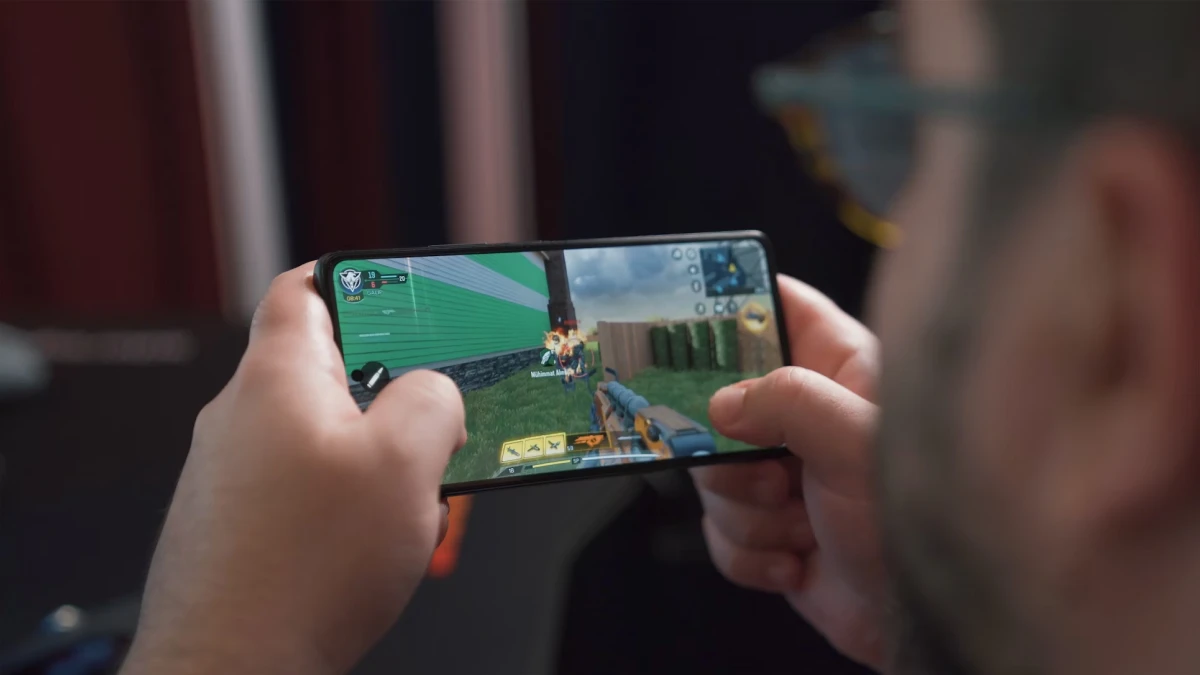
Graphics are important however not at the expense of melting your device. Gaming should look stunning even on phones with gaming budgets under 30K. Everyone doesn’t want to play a game that turns their beautiful phone into a frying pan that can be used as a portable cooking pot.
5. Low Latency, High Praise
Competitive players don’t want low latency. They require it. If your game doesn’t have quick reflexes, players are likely to switch to something which can. Gaming phones that have the highest performance will be awed by this.
6. Easy-to-Learn Controls
Complex controls are the detriment of enjoyment. The best games for competitive play should be simple to master, but hard to master. No one wants to feel as if you’re exploding a bomb to refill their gun. Simple controls equal happy players.
7. Community Vibes
A vibrant community keeps games competitive. Include features such as leaderboards, clans, and international tournaments. Provide players with a reason to criticize their peers and then accept their apology (or do not).
8. Updates That Wow
Stale games die fast. Keep your competitive game alive by releasing new updates, such as cool skins, fresh maps, and new weapons. Be careful not to go overboard with microtransactions unless you’re looking to appear in a Reddit post.
9. The Right Hardware
A game can only be as excellent as the device that is running it. Optimize your gaming smartphone for 2025, because no one wants to watch their avatar walk around the moon because of inadequate optimization. Don’t ignore phones that offer the most impressive graphics for gaming.
10. Test, Break, Fix, Repeat
Then, before the game is in the real world, you should test the game as if your life’s on the line. Test it on various devices, ranging from gaming phones with top performance to low-cost alternatives. An unbugged game is ready for competition.
FAQ
-
Balanced gameplay, smooth performance, and skill-based mechanics.