How to Build a Budget Gaming PC in 2026
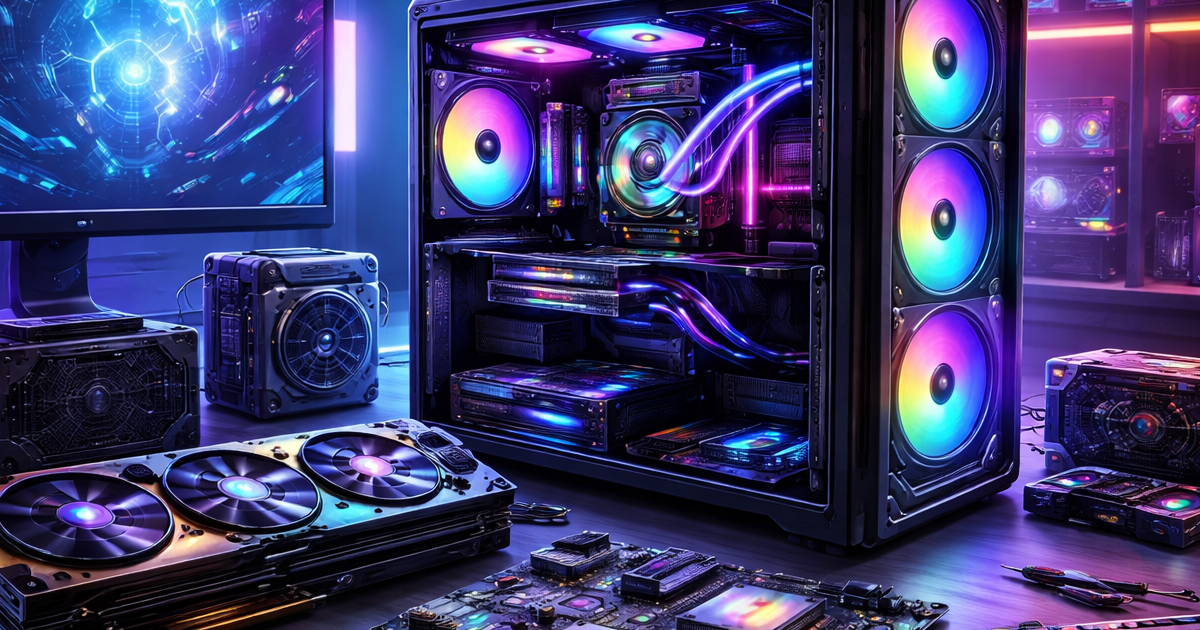
Do you plan to create a game system but do not want to sell a kidney? This is a smart decision. By 2026, we do not have to shell out a lot to enjoy the most exciting PC games 2026 will have to provide. Let’s discuss it in plain terms. Because there’s no need for an explanation when they just want to play.
Takeaways
- You don’t need a fortune to build a gaming PC.
- Pick balanced components to avoid bottlenecks.
- SSDs are a must-have.
- You can always upgrade later.
- Building a PC is easier than it looks—don’t be afraid to try!
- Look out for sales and deals to save cash.
- Keep drivers and games updated for the best experience.
- Invest in good airflow to avoid overheating.
- Budget builds can handle most modern games at 1080p.
- Have fun—because gaming should be enjoyable, not stressful!
Step 1: Set a Budget (And Stick to It)
Before you throw money at components, you must establish your budget. A decent gaming PC in 2026 could be constructed for about 600-$800. If you’re determined to push it to the max, $1000 will give you a top-quality setup. Be careful not to get too excited and spend more on your equipment than the rental.
Step 2: Choose the Right Parts
Making a computer is like making sandwiches. Select the right ingredients and you’ll have a delicious sandwich. If you don’t and… it’s likely that you’ll end up eating a mess.
1. CPU (The Brain)
If you’re looking for a budget-friendly build, AMD’s Ryzen 5 or Intel’s Core i5 are the best options. It doesn’t require a premium processor to play the best PC games ever.
2. GPU (The Muscle)
Graphics cards can be expensive however there are good budget alternatives. For instance, the NVIDIA Radeon RX 7060 or AMD RX 7060 play new PC games in 2026 at 1080p, without making your computer an incinerator.
3. RAM (Short-Term Memory)
16GB is the perfect size. Don’t skimp on this one–running out of memory mid-game is similar to forgetting why you went into an area.
4. Storage (Where Everything Lives)
An SSD is essential. An NVMe 1TB SSD is a bargain and can load games more quickly than PC gaming information.
5. Motherboard (The Glue Holding Everything Together)
Choose a motherboard that works with your processor and has enough ports. There’s nothing fancy unless you’re planning on overclocking or add RGB lights that may be used to signal aircraft passing through.
6. Power Supply (Because Your PC Needs Electricity, Obviously)
A 600-700W power supply from a trusted brand will ensure that your system runs efficiently. Do not buy a cheaper one unless you like surprises with fireworks.
7. Case (The Looks & Airflow)
Choose a product that is compatible with the components you have and provides excellent airflow. Plus points if it’s cool and features RGB lighting. Let’s be honest, it can make your computer 20% more efficient (okay but not really however, it’s entertaining).
Step 3: Put It Together
A PC’s build isn’t as daunting as it may seem. There are plenty of tutorials as well as PC games trailers available on YouTube to guide you through the process. Be sure to keep these in mind:
- Do not force anything.
- Be careful not to get your hands on the golden CPU pins.
- If something doesn’t work most likely, you didn’t plug it in (seriously this occurs to everyone).
Step 4: Install Windows & Drivers
When your computer is finished then you’ll require the operating system. Windows 11 is the go-to for gaming. After installing, you can download your GPU drivers as well as any PC game patches required for an enjoyable gaming experience.
Step 5: Game On!
After everything is in place and in place, you’re now ready to dive into the most recent PC games. No matter if you’re looking for the upcoming PC games or old-fashioned ones, your budget is capable of managing it. Make sure to update your drivers and games frequently. No one would want to experience a slow performance.
FAQ
-
Yes, but you’ll have to make sacrifices. Consider buying used parts or waiting for PC game sales to save money.